

How Earned Wage Access Is Changing the Way Employees Get Paid
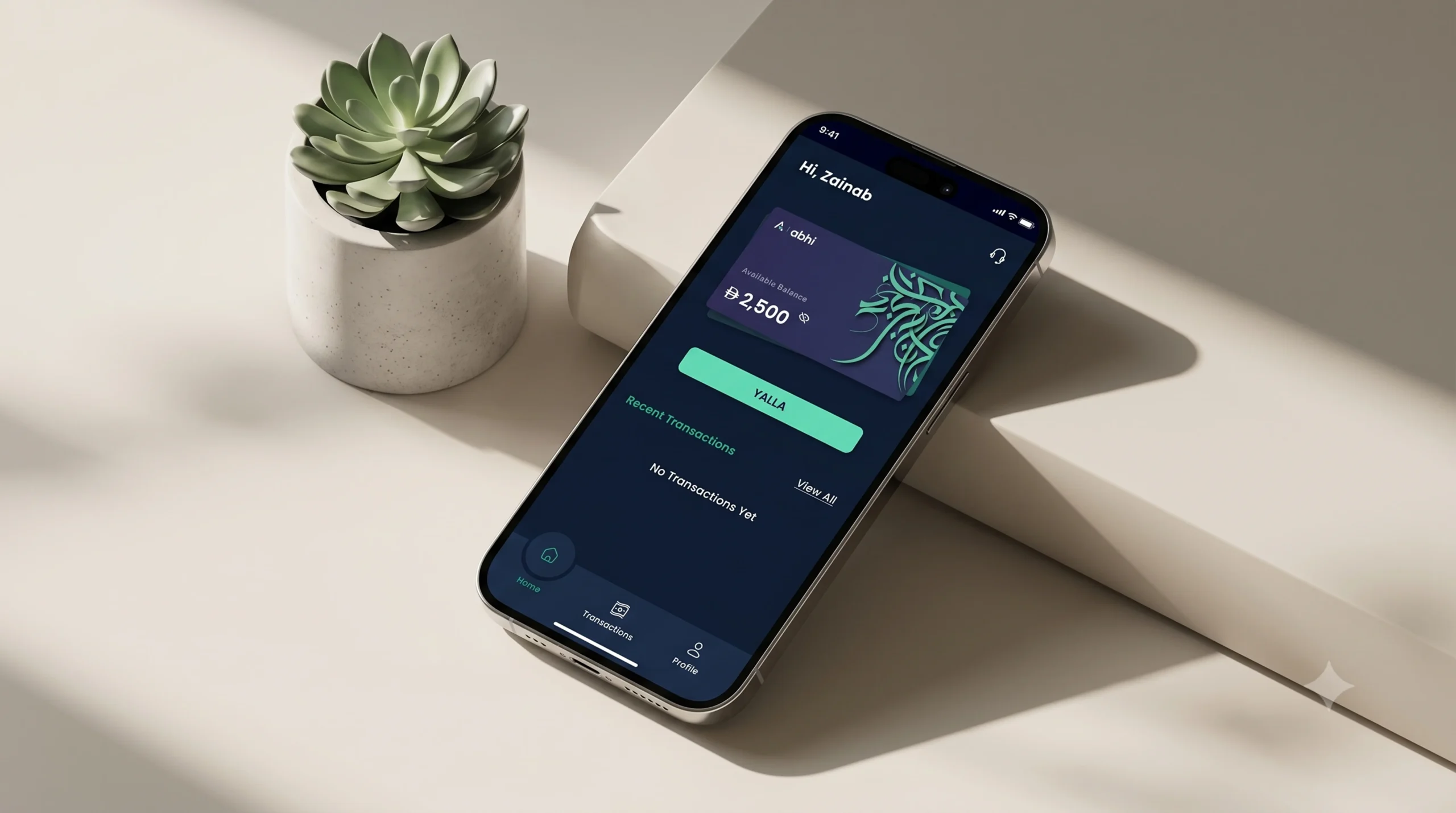
For millions of employees, the gap between earning a salary and receiving it can create unnecessary financial pressure. 57% of employees say that finances are their top life stressor, and 56% say that financial stress negatively impacts their productivity at work. (PwC’s 2026 Employee Financial Wellness Survey) Bills, emergencies, transportation costs, and everyday expenses do not always wait for payday.
This is where Earned Wage Access (EWA) comes in.
Earned Wage Access allows employees to access a portion of the wages they have already earned before their scheduled payday. Instead of waiting for the traditional payroll cycle, employees can access their earned income when they need it.
For employers, on-demand pay is increasingly becoming more than a payroll feature. It can be a financial wellness benefit that helps businesses support employees, strengthen their employee value proposition, and build a more financially resilient workforce.
How Does Earned Wage Access Work?
The traditional payroll cycle generally operates on a fixed schedule. Employees work throughout the month, while payroll is calculated and paid on a predetermined payday.
With an earned wage access app or employer-enabled EWA platform, the process can work differently.
Once an employer integrates with an EWA provider:
- Employees work and accumulate earned wages.
- The EWA platform calculates the eligible amount of wages earned.
- Employees can view their available balance.
- They can request access to an eligible portion of their earned wages.
- The accessed amount is reconciled through the employer’s payroll process.
Is Earned Wage Access a Loan?
EWA is designed to provide access to earned wages rather than extend conventional credit. However, the legal and regulatory treatment of EWA can differ depending on the market, product structure, and applicable regulations.
For employers considering an EWA benefit, understanding the regulatory framework in their market is therefore an important part of evaluating providers.
The goal should be to offer employees a transparent solution that gives them greater financial flexibility while maintaining appropriate compliance and consumer protections.
Why Are Employees Looking for On-Demand Pay?
Financial pressure does not always align with traditional payroll schedules.
An employee may have enough income to cover an unexpected expense but still face a temporary cash-flow gap before payday. Accessing earned income earlier can help employees manage these situations with greater flexibility.
Common reasons employees may use on-demand pay include:
- Unexpected household expenses
- Medical or emergency costs
- Transportation expenses
- Utility or other recurring bills
- Managing cash flow between paydays
- Avoiding reliance on expensive short-term credit
- Greater control over when they access their income
How EWA Can Benefit Employers
Earned Wage Access is not only an employee-facing benefit. It can also support broader workforce and business objectives.
1. Strengthen employee financial wellbeing
Giving employees greater flexibility over their income can help them manage short-term financial needs and reduce some of the pressure created by rigid payroll cycles.
2. Improve the employee value proposition
Competitive benefits can play an important role in attracting and retaining talent. An EWA benefit can differentiate an employer by providing employees with a practical financial flexibility tool. 83% of Gen Z and 79% of millennial respondents whose employers offer financial wellness services report using them to get spending under control, pay off debt, and save more. (PwC’s 2026 Employee Financial Wellness Survey)
3. Support employee retention
Financial stress can contribute to dissatisfaction and workforce instability. Offering benefits that address employees’ real financial needs can contribute to a stronger overall employee experience.
4. Complement existing payroll infrastructure
EWA does not necessarily require an employer to abandon its existing payroll cycle. Instead, it can work alongside payroll to give employees additional flexibility while maintaining established payroll processes.
How Abhi Makes Earned Wages More Accessible
At Abhi, we believe financial access should be a right, rather than a privilege.
Our Earned Wage Access solution gives employees the flexibility to access their earned salary before payday, when they need it.
For employers, Abhi’s EWA solution can become part of a broader employee financial wellbeing strategy, helping businesses provide a practical benefit without requiring them to change their core payroll cycle.
The result is a more flexible approach to how employees access their income:
Employees earn their wages. Abhi helps them access them when they need them.
For businesses, EWA can be more than an additional benefit. It can be a way to put greater financial flexibility, choice, and control in the hands of employees.
The Future of Pay Is More Flexible
The traditional payday was built around the needs of payroll systems. Today’s workforce increasingly expects financial products and employee benefits to work around the realities of their lives.
Earned Wage Access is part of that shift.
By giving employees greater access to income they have already earned, businesses can move toward a more flexible approach to compensation and financial well-being.
For employees, that can mean fewer days spent waiting for payday.
For employers, it can mean a stronger employee benefit that responds to a real financial need.
And for the future of work, it represents a broader shift toward giving people more control over when and how they access their money.